
B2B Casino Supplier vs B2B Casino Platform: What Operators Should Choose
After piloting both, I’d separate roles: a b2b casino supplier sells games/tech parts; a b2b casino platform for operators runs the full stack. Pick the platform if you want control and speed to launch. For teams comparing options, visit https://turnkeycasino.ro/ to see how a turnkey iGaming solution can streamline onboarding, reduce operational friction, and support growth across markets; then choose supplier-only when you’re already live.
B2B iGaming Turnkey Solution for Casinos: Scope, Modules, and Deliverables
I tested a few turnkey iGaming solution builds; the best ones shipped code, not just promises. Expect 3 core deliverables: platform, payments, and ops tooling.
- Demand a named go-live date with staging access 14 days before launch.
- Require module list: CRM, KYC, risk, wallets, and reporting dashboards.
- Ask for sportsbook and casino platform integration plan, including 24/7 monitoring.
- Confirm payment methods: Visa/Mastercard + local e-wallets, with settlement timelines.
- Get SLAs in writing: uptime 99.9% and P1 response under 60 minutes.
In practice, scope creep kills launches. I prefer modular casino platform options where you can turn features on gradually without rewriting the backend.
White Label Casino Platform: Branding, Customization, and Operator Control
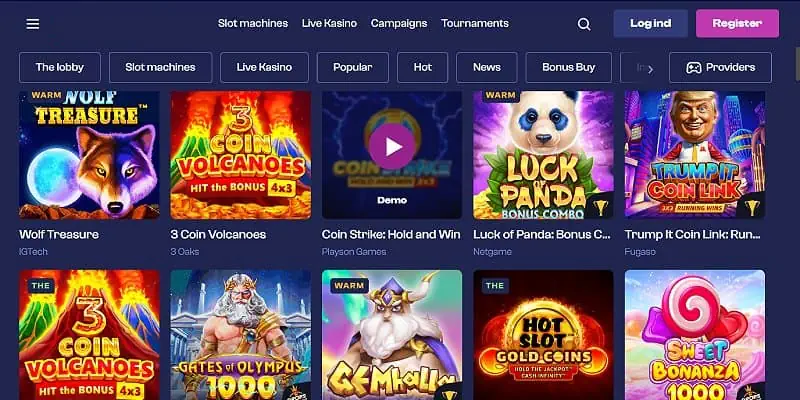
I used a white label casino platform once for a midsize operator. I’d only pick it if you can fully control themes and player flows without waiting on dev tickets.
iGaming API Integration and Casino API Platform Connectivity for Game Aggregation
When I handled iGaming API integration, latency and auth details mattered more than flashy demos. Connect via a casino API platform that supports both player/session and entitlements. Verify Webhooks, rate limits, and game launch retries before going live.
Game Aggregation Services and Game Content Integration for Scalable Player Experience
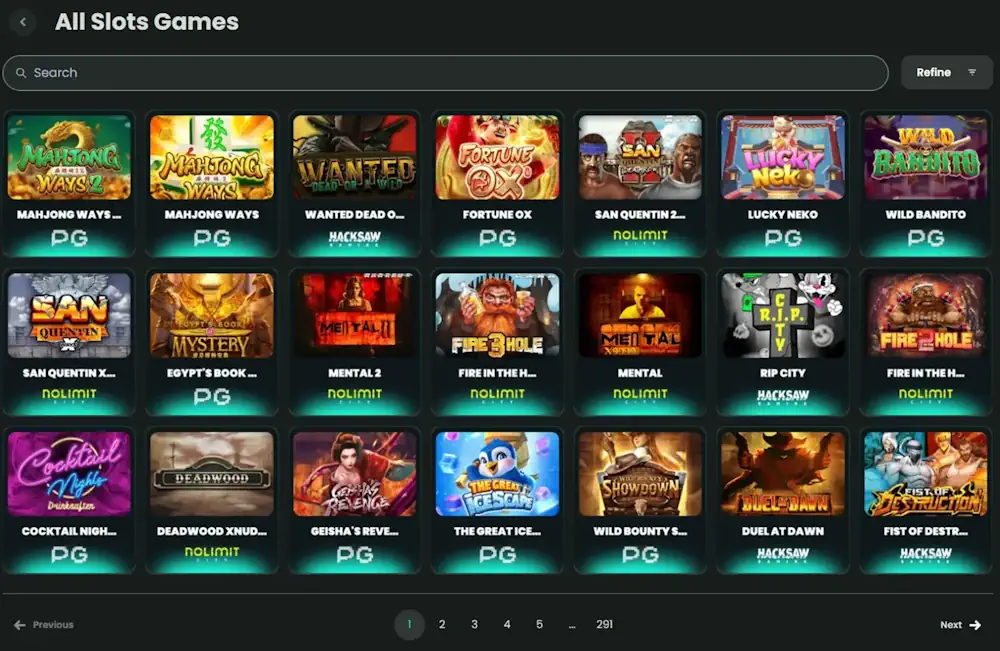
I once added 3 providers to a casino aggregator platform in a week; retention dipped until catalog logic was fixed. Use game aggregation services that map content by region, currency, and device.
My rule: if you can’t swap a provider without breaking entitlements, your “scalable” platform won’t survive real traffic.
iGaming Technology Provider Requirements: Managed Platform, Hosting, and Operations
I’ve seen managed iGaming platform partners miss basics while pitching “uptime.” Insist on 99.9% uptime SLA with 60-min P1 response.
- Require 24/7 NOC + on-call escalation path, not “email support.”
- Ask who manages DDoS, backups, and restore tests (quarterly, verified).
- Confirm hosting regions and CDN: Cloudflare + AWS us-east-1 or eu-west-1.
- Request monthly ops reports: latency p95, failover logs, fraud KPIs.
- Set release gates: staging in 24h and rollback plan tested each sprint.
In my experience, the provider’s runbook beats their roadmap.
Casino Backend Platform Capabilities: Risk Controls, Payments, and Player Services
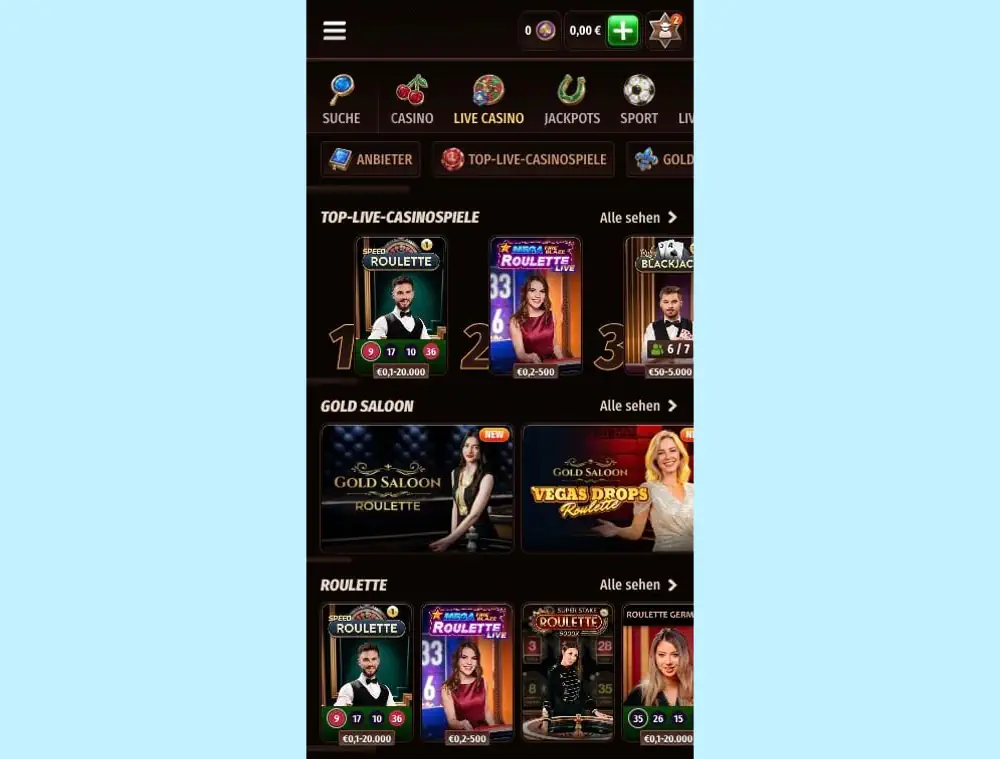
Backend matters when money and fraud collide; I learned this after a bad rule shipped. Your casino backend platform must include real-time risk scoring and wallet controls.
| Capability | What to verify | Target numbers |
|---|---|---|
| Risk controls | velocity + device fingerprint | block within 1s |
| Payments | chargeback handling | refund SLA <24h |
| KYC/AML | document checks | pass within 30 min |
| Player services | CRM + limits | limit changes <5 min |
If these are missing, growth turns into support tickets.
Multi-Jurisdiction iGaming Platform and Compliance Support for Regulated Markets
I onboarded a platform for 2 European markets, and compliance was the real schedule driver. Choose a multi-jurisdiction iGaming platform with jurisdiction-specific KYC, AML, and reporting. I asked for audit trails and math on tax/withholding, then validated data exports. The best igaming compliance support feels like a project plan, not a legal PDF.
Product Comparison Table: Turnkey iGaming Solution Provider vs Casino Software Supplier
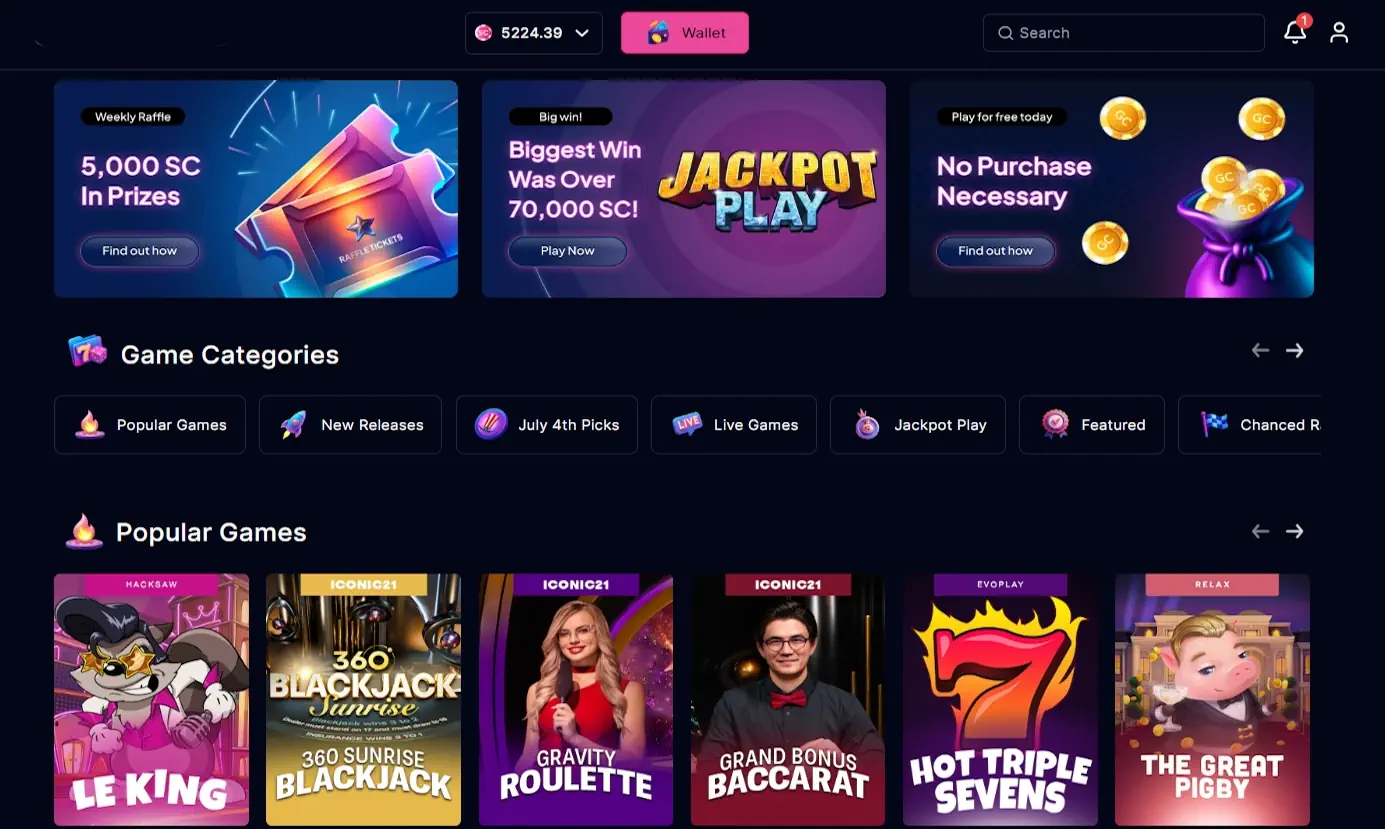
When clients ask “platform or supplier?”, I compare delivery style, not just features. Turnkey iGaming solution providers usually ship faster because ops, hosting, and integrations are bundled. Here’s my practical split based on what I’ve seen during go-lives.
Most “casino software supplier” deals stop at code; you still own risk ops and payments wiring.
FAQ
Supplier or platform—what did you pick first?
I started with a supplier only when the operator was already live. If you’re launching, I’d choose a b2b casino platform for speed and control.
What deliverables should a turnkey iGaming solution include?
Expect the platform plus payments and operational tooling, not just a demo environment. I also demand clear SLAs and a staged go-live plan.
How much control do you really get with white label?
I only trust white label iGaming solution setups where branding and player flows are configurable without constant dev tickets. That’s the difference between control and slow approvals.
What matters most for iGaming API integration?
I focus on auth, session lifecycle, and retry behavior for game launches. Confirm webhooks, rate limits, and entitlement syncing on the casino API platform.
Do you need game aggregation services?
Yes, if you’re scaling providers. I’ve seen retention drop until catalog mapping handles region, currency, and device consistently.
What compliance support should multi-jurisdiction platforms prove?
I look for jurisdiction-specific KYC/AML workflows plus audit trails and reporting exports. Then I validate tax and withholding data outputs before launch.